
Driven by the global "dual carbon" goals, the green transformation of the packaging industry has become an inevitable trend. Eco-friendly packaging has emerged as a key vehicle for enterprises to fulfill their social responsibilities and enhance market competitiveness. Among them, three core keywords—PCR (Post-Consumer Recycled Materials), Refills (Refill Packs/Replacement Packs), and Single Material & New Materials—accurately outline the development direction of eco-friendly packaging and provide a clear path for industry upgrading.
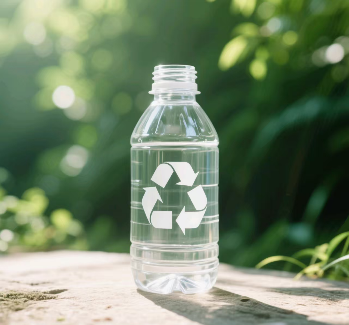 PCR materials are the core carrier of the circular economy. Using post-consumer waste packaging as raw materials, they are recycled, sorted, and processed before being reused in packaging production, effectively reducing the extraction of virgin resources and the landfilling and incineration of waste. Today, PCR materials are widely used in food, beauty, daily necessities, and other fields. Many brands have launched packaging containing over 30% PCR content, which not only reduces environmental burden but also conveys the concept of green consumption. Their core value lies in achieving a closed resource loop, transforming "waste" into "recycled resources," and driving the packaging industry’s transition from "linear consumption" to "circular utilization."
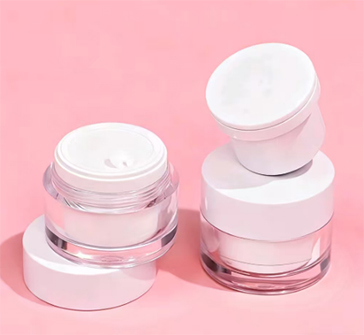
The Refill model directly addresses the pain point of excessive packaging waste. Traditional packaging is mostly disposable and throwaway after use, while refills—through the model of "reusable main packaging + refill liquid replacement"—significantly reduce the consumption of packaging materials. Whether it’s refill packs for beauty and skincare lotions, replacement bags for household cleaning detergents, or grain refill boxes in the food sector, their compact and lightweight form lowers carbon emissions during transportation while saving costs for consumers. This model restructures the relationship between "products, packaging, and consumption," transforming packaging from "disposable consumables" to "recyclable carriers," and has become an important practical approach for brands to practice environmental protection.
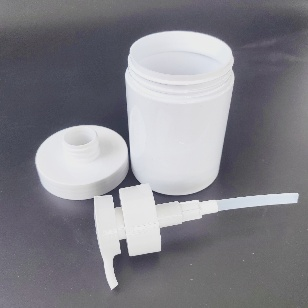
Single material and new material technologies provide underlying support for eco-friendly packaging. Traditional composite packaging, with its complex material composition, is difficult to recycle and has a low utilization rate. In contrast, single materials (such as single PP or PE) offer advantages of high recycling efficiency and low processing costs, making them the mainstream development direction for packaging materials. Meanwhile, the R&D and application of new materials such as degradable bio-based materials and plant fibers have further broken through the environmental bottlenecks of traditional materials. These materials can degrade rapidly in the natural environment, reducing pollution from packaging waste at the source. The simplified design of single materials and the innovative application of new materials jointly solve the core problems of eco-friendly packaging—"difficulty in recycling and degradation."
PCR, Refills, and single/new materials have built a complete system for eco-friendly packaging from three dimensions: resource circulation, usage models, and material innovation. In the future, with continuous technological iteration and the upgrading of consumer concepts, these three directions will deeply integrate, driving the packaging industry toward a more efficient and low-carbon green transformation and contributing industry strength to global ecological and environmental protection.

